Customer flow for an auto shop: winning the "near me" search
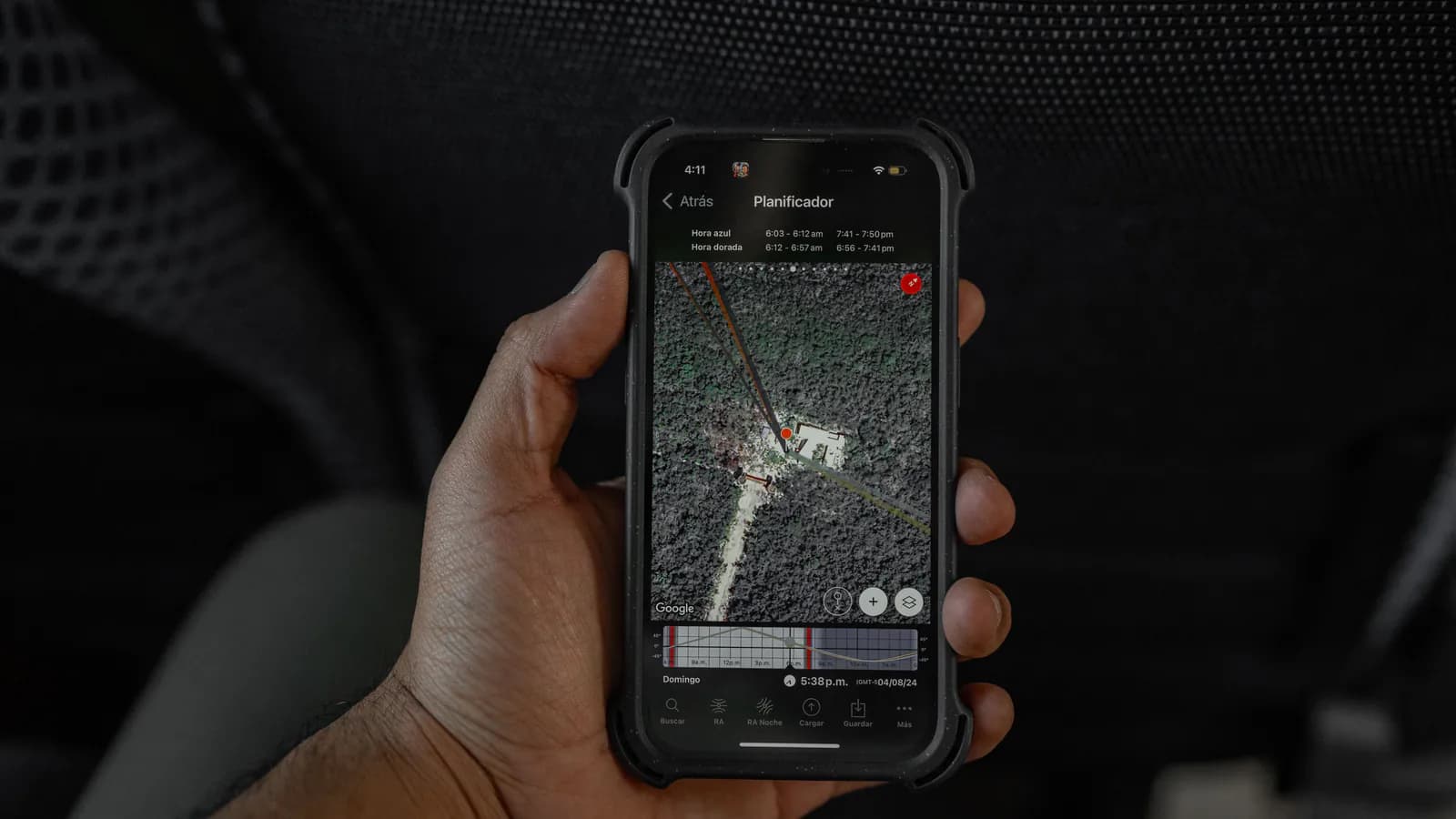
The engine starts knocking, or a warning light comes on — the driver pulls over, takes out their phone, and types "auto repair near me." They don't already know your name, and they have no time to browse a website. They'll look at the first few results Google shows and contact one of them, usually within the minute.
This isn't an ordinary search, it's an urgent-need search. A regular buyer compares a few sites, checks prices, decides tomorrow. Someone searching urgently wants the answer to three questions — is it open right now, will someone pick up the phone, how do I get there — and if even one of those goes unanswered, they try the next name on the list. The decision takes seconds, and once it's made there's no going back to reconsider.
1. "Open" has to be true every single minute
Your listing says "open," but you're on a lunch break, or it's Sunday and you only run a half day that the regular schedule doesn't show. The customer is already on their way, and the door is shut.
Google tracks special or holiday hours separately from regular hours, and factors that into how complete and accurate your profile is. (Google Business Profile help) For most trades that's a minor detail; for an auto shop it isn't, because the customer isn't going to "check again later" — they're already on the road.
Fill in special hours as their own field next to the regular schedule, and update it weekly if your shift pattern changes. If you run a night shift or an emergency call-out line, state that separately too — someone calling at 11pm needs to know immediately whether they've reached your regular hours or your emergency one. It's five minutes of work, and skipping it costs a free customer every time it happens.
2. Who actually picks up, and on which number
If the number on your listing rings a central call centre, or routes to head office instead of the specific bay, the caller won't try a second time — they'll dial the next name on the list.
Google's own rules require a local number connected directly to that specific location, not a shared hotline. (Google Business Profile phone number guidelines) The reasoning is simple: the caller needs to know they've reached that particular shop, with no middleman in between.
Check that the number on the listing actually belongs to that bay, and that someone answers it during working hours. If the number is linked to WhatsApp, say so openly — some drivers would rather send a short message than talk while the car is still moving. If you run more than one location, give each its own number and its own profile — one shared number can send a driver to a random branch instead of the nearest one.
3. The route description matters more than the map pin
A driver follows the navigation app, sees "you have arrived," and finds a locked gate or a construction site in front of them — the real entrance turns out to be two buildings further down.
Distance is recalculated on every search, based on exactly where the map pin sits. A pin off by even a few metres can send the navigation app to the wrong door — a common problem in industrial areas and compounds with more than one entrance.
Drive to your own address and check that the pin sits exactly where it should. Add a landmark to the description field — "turn right off the main road, behind the petrol station." A small sign with your name over the gate helps too: navigation gets a driver to the street, but it won't tell them which gate is yours when several workshops share the same yard. These details solve more than the map does on its own.
4. Service names need to match the customer's own words
Your listing sits in the generic "auto repair" category, but the customer is searching for something specific — wheel balancing, air conditioning recharge, battery replacement.
The relevance signal runs on how well your category and description words match the search. When a generic category doesn't match a specific query, your listing simply doesn't appear in those results — as if you didn't offer that service at all.
Pick the most specific primary category available, add the related secondary ones, and list every service in the description using the words a customer would actually type. It's also worth checking which secondary categories competitors on the map list themselves under — a direct read on what the market actually searches for, instead of a guess.
5. Reviews need to talk about speed and honesty
Your listing has five or six reviews, and every one of them boils down to "good place." For someone deciding under time pressure, that says nothing at all.
A driver stuck on the side of the road reads reviews for trust, not for price. "Didn't overcharge me," "finished exactly when they said they would," "the price matched what they quoted upfront" — details like that speed up a decision; generic praise gets scrolled past unread.
Ask a satisfied customer, naturally and without cherry-picking who to ask, to write what specifically worked for them — what got fixed, how long it took. Timing matters too: not the moment you hand the keys back, but a day or two later, once the result has held up — that gets you a warmer, more detailed answer. Never trade a discount or a gift for a review — the platform bans that outright. Reply to every review, especially the negative ones, with something specific.
6. Photos need to show the real place
Your listing has a photo from years ago, taken while the building was still under construction, or no photo at all — just the logo.
Someone making an urgent decision, driving to an address they don't know, hesitates — especially after dark. A listing with no photo, or an outdated one, shows them nothing: not what the workshop looks like, not where the entrance is, not who will greet them.
Update the listing with a handful of real photos of your own gate, shot in daylight, during working hours. Not a stock repair-shop image, but your actual place — it gives a driver the "this is the right spot" feeling in one glance.
A driver stuck on the roadside doesn't read your website — they look for the first open door.
None of these six items needs a big budget, but keeping on top of all of them at once isn't easy, especially with more than one location and a shift pattern that keeps changing. Our Google Business Profile setup and local search service exists for exactly that — from category to a review-collection plan, we work through every step with you.
Photo by Sergey Meshkov · Pexels