Instagram Profiles That Actually Sell — Not Follower Count
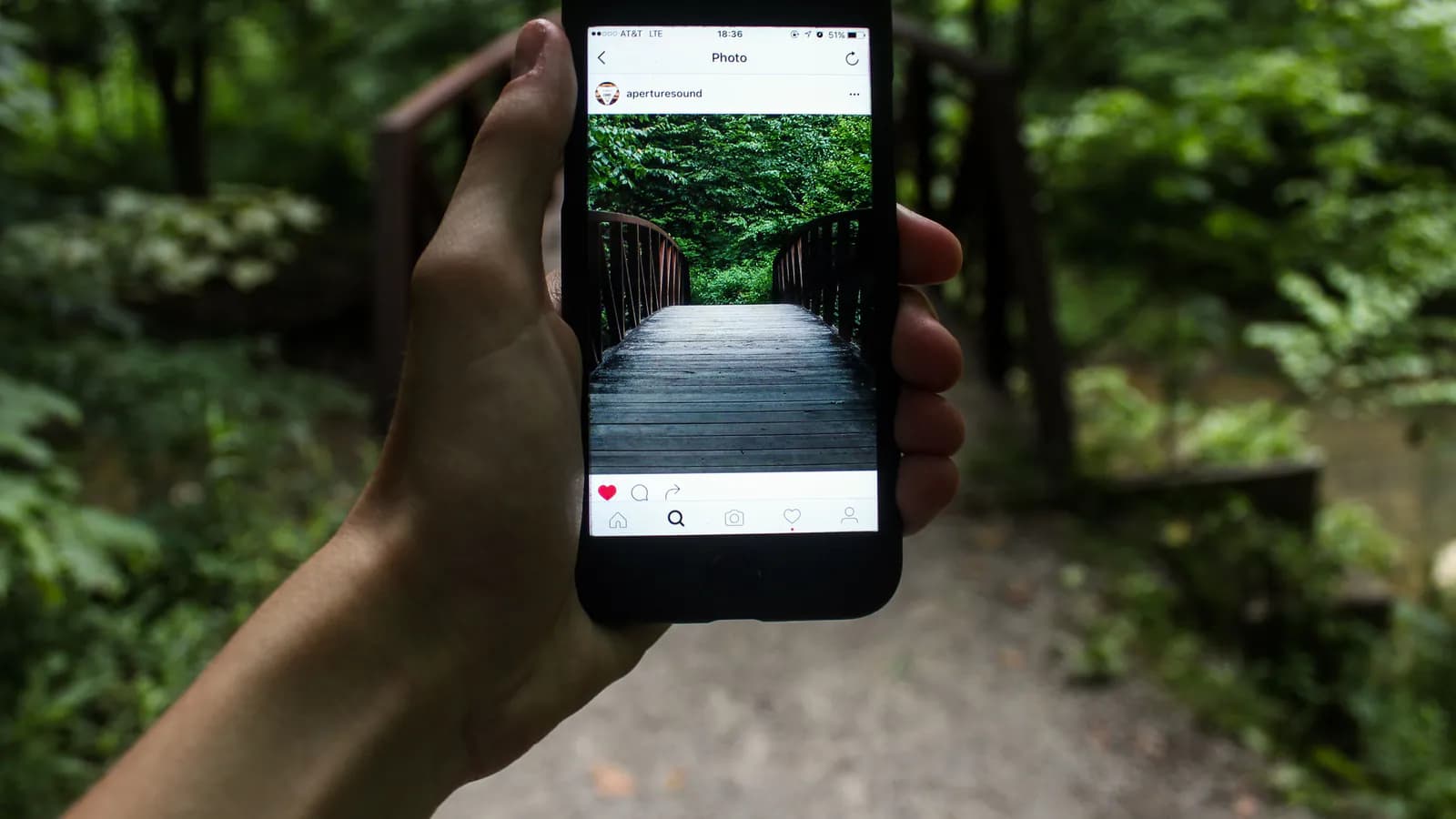
Your Instagram has 4,000 followers. Your competitor's has 800. The order still goes to the competitor. If that sounds familiar, the problem isn't posting frequency — it's what shows up in the first look at the profile.
Someone who opens your profile doesn't spend minutes on it — they spend one glance. In that glance they read the bio, skim the highlights, look at the first few photos, or close the tab. Follower count plays no part in that decision. What they see in those seconds does. Four places decide whether that glance turns into a sale.
Why follower count is the wrong number to chase
Most account owners measure the month by follower growth. If a competitor sits at 2,000 and they're at 800, it feels like falling behind — sometimes enough to look at services that sell followers.
Following someone promises nothing on its own. By Instagram's own explanation, Feed ranking is built on predicting how a person will react to a post — whether they'll like it, comment, save it, or send it on. An account with low engagement gets shown less, regardless of follower count. Purchased followers make this worse, not better: they never open or react, so engagement drops and the account looks big while reaching almost no one.
Instead of watching the follower count, look at what share of profile visits turns into an action — a bio-link tap, a highlight opened, a DM sent. That number sits in the professional account's own insights. Check it once this week instead of the follower total — it usually tells a different story.
The bio: three lines, three jobs
The bio field is small, so every line needs its own job: who you are, who it's for, what to do right now.
Line one: the actual work, not the category
Most bios open with something like "quality service, personal approach." A reader still doesn't know what's being sold, because the line would fit a dentist as easily as a tailor.
A bio gets one read, not a second chance; a vague line makes the reader work out the answer themselves, and most people won't bother — they close the profile instead.
Write the actual work in line one: "Pet grooming in Baku," "Shoe repair in Ganja." Not the industry label — the job.
Line two: for whom
Bios often try to speak to everyone — "beauty for every woman," "services for every family." The result is that they speak to no one in particular.
An audience that doesn't recognize itself keeps scrolling, because it's looking for an answer to its own specific situation, not a general promise.
Name the audience in one phrase: "for new parents," "for small shop owners." That doesn't shrink your reach — it keeps the right person's attention.
Line three: what to do now
If the last line of the bio has no concrete action, or says something as vague as "link below," a reader who made it this far still doesn't know the next step.
People don't linger on a profile; without a visible next step they simply leave — and that's attention already paid for, wasted at the last inch.
Make the last line specific: "Order by DM," "Prices in the link below." And have the link itself say where it leads before it's tapped.
Highlights: build them like a menu, not a diary
Highlights often get named by date — "July," "August," "Stories." Those names mean something to the account owner and nothing to a first-time visitor.
Highlights function as the profile's navigation menu: a visitor comes here looking for the answer to one question, "does this account solve what I need." When the names are dates, that answer never surfaces, and the visitor doesn't stay to find it.
Name highlights by question instead: "Prices," "Reviews," "How to order," "Location." Put the most-asked question first — most visitors only look at the first two or three.
The first nine photos: the grid is the first decision
A visitor sees the first nine photos without scrolling. That set is often accidental — the most recent upload, an old campaign, formats that don't match.
Those nine photos are the profile's storefront, because they're the only thing visible the instant the profile opens. This is where a visitor instinctively decides whether the account looks trustworthy and sells what they're actually after — without reading a caption or scrolling further.
Plan the nine as a set rather than a chronological accident: product, process, a moment with a customer, the team. Re-check that layout every three or four new posts, not once a year.
Your feed's chronology is your memory. The first nine photos are the customer's decision.
DM response time: the bottleneck nobody tracks
The bio is sharp, the photos are chosen well, the highlights make sense — and then someone sends a DM with a question, and the reply takes hours, sometimes days.
Someone who messages is already close to a buying decision — asking is an extra step, time pulled out of their day. While the reply sits unanswered, interest cools, or the same question gets asked of a competitor who answers faster. That's attention already earned — through an ad or organically, it doesn't matter — leaking out at the very last step.
Prepare ready answers for the questions that repeat — price, hours, location — so they're not typed out from scratch every time. Turn on an automated first reply for busy hours, so a visitor at least knows they've been seen instead of met with silence.
From profile to a system
The bio, the highlights, the first nine photos, DM response time — each of these can be fixed on its own. The harder part is keeping it up: who plans the content, who updates the highlights, who answers DMs and when.
If this looks less like a one-time fix and more like ongoing work, our content planning and community management service is built for exactly that — a weekly content plan, post design, and response-time tracking in one place.
Photo by Jeremy Levin · Pexels