Professional video or a phone? Choose by the content
One client posts three Instagram Stories a day — shot on a phone, no editing, done in minutes. Another client shot the 40-second video for their homepage on a phone too, telling themselves they would "fix it in post." The outcomes are different: nobody minds the first one, but a visitor lands on the second and reads the picture quality in the first five seconds — and turns that into a judgment about the brand itself.
The mistake is rarely "phone bad, professional good." It's mixing up WHICH content needs which kind of shoot. Booking a studio for a daily post burns budget for nothing. Putting phone footage on the homepage risks something far more expensive than the picture: the first impression.
When a phone is genuinely enough
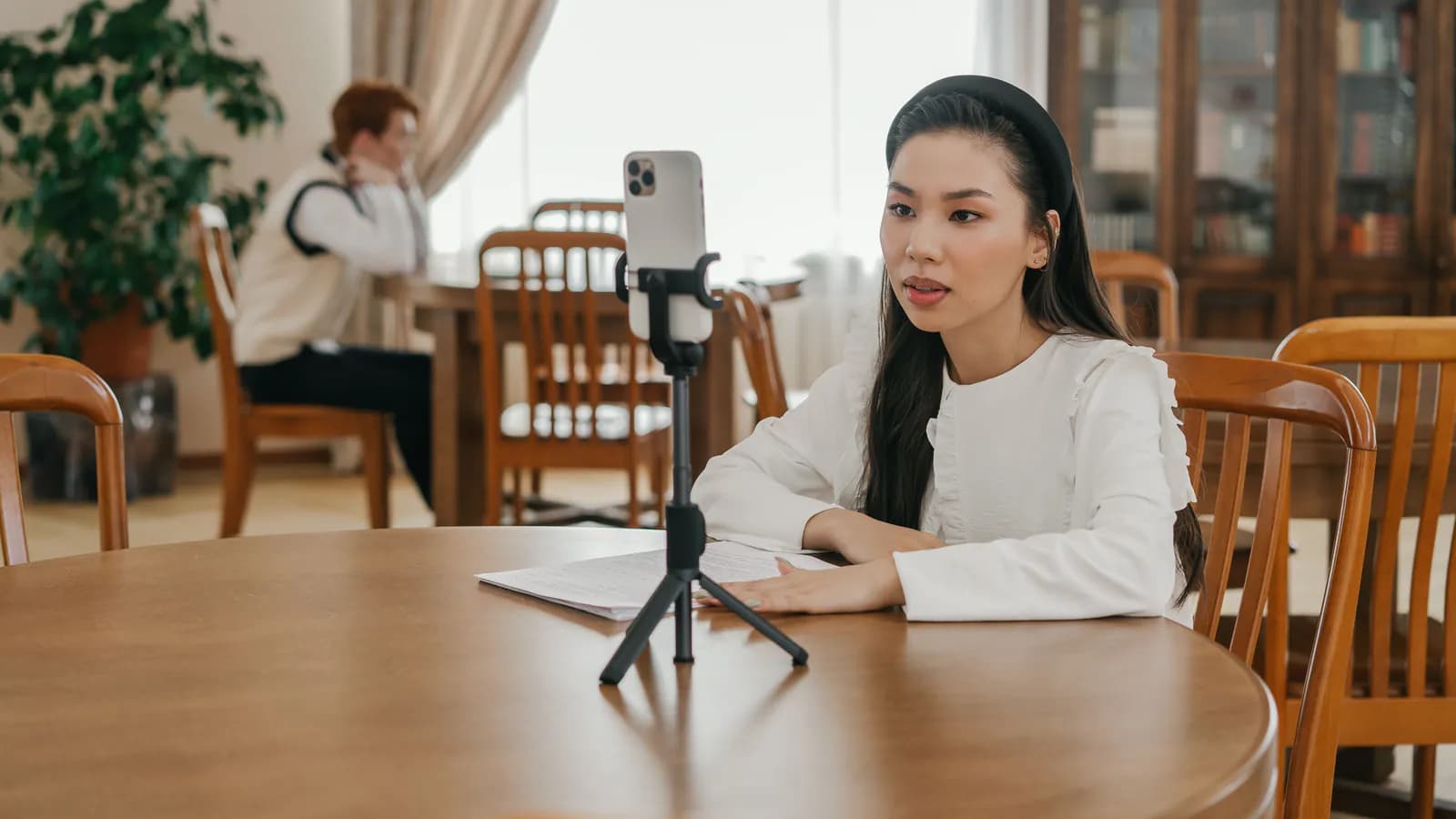
In daily social content, the audience is looking for one of two things: useful information or a real person behaving like one. Neither needs studio lighting. If anything, workshop noise in the background, a close-up of the product in your hand, a plain explanation to camera — these work precisely because they don't look staged; the viewer reads it as a person, not an ad. This kind of content lives for a few hours, sometimes a day or two; tomorrow you need a new one, so the cost per piece has to stay low and the pace has to stay fast.
The practical rule is simple: if the clip drops out of the feed by tomorrow, a phone is enough. That covers day-to-day work, a "how this is used" demo, a team member answering a question, the moment an order gets packed. The technical bar is just three things: stability (a small stabiliser or leaning against a wall beats a bare hand), natural light (face the window, don't put the shadow behind you) and clear audio (a clip-on mic beats a phone's built-in one by a wide margin). Anything beyond that is wasted time on this kind of content — hours in an editor erase the whole point of a daily post.
Three places a professional shoot has no substitute
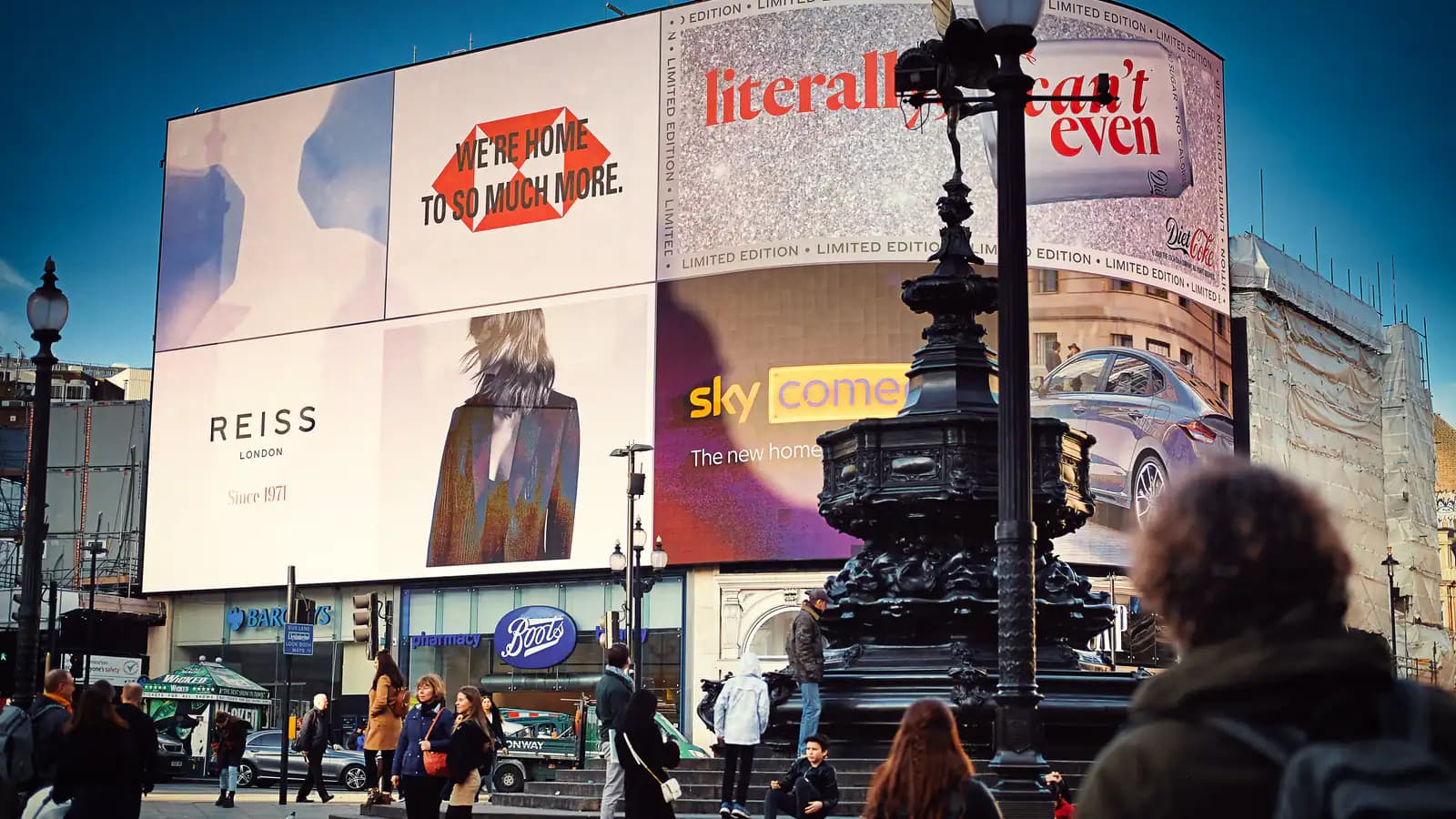
In a few spots, the audience is meeting you for the first time and forms an opinion about the brand in those first five seconds: the homepage hero video, paid ad creative, and a product-launch video. In those spots, phone footage doesn't just look "a bit rough" — it changes the competition, because the viewer sees you sitting in the same feed next to dozens of professionally produced ads. Meta's own guidance on holding attention in ad creative is explicit: use movement and sound to show what's different about the product (Meta's ads guide). The same guide notes captions are optional but recommended, because a real share of the feed watches with the sound off. A phone can theoretically deliver that, but without planning, lighting and deliberate editing it rarely does — the result usually reads as "functional" where a professional shoot reads as "worth stopping for."
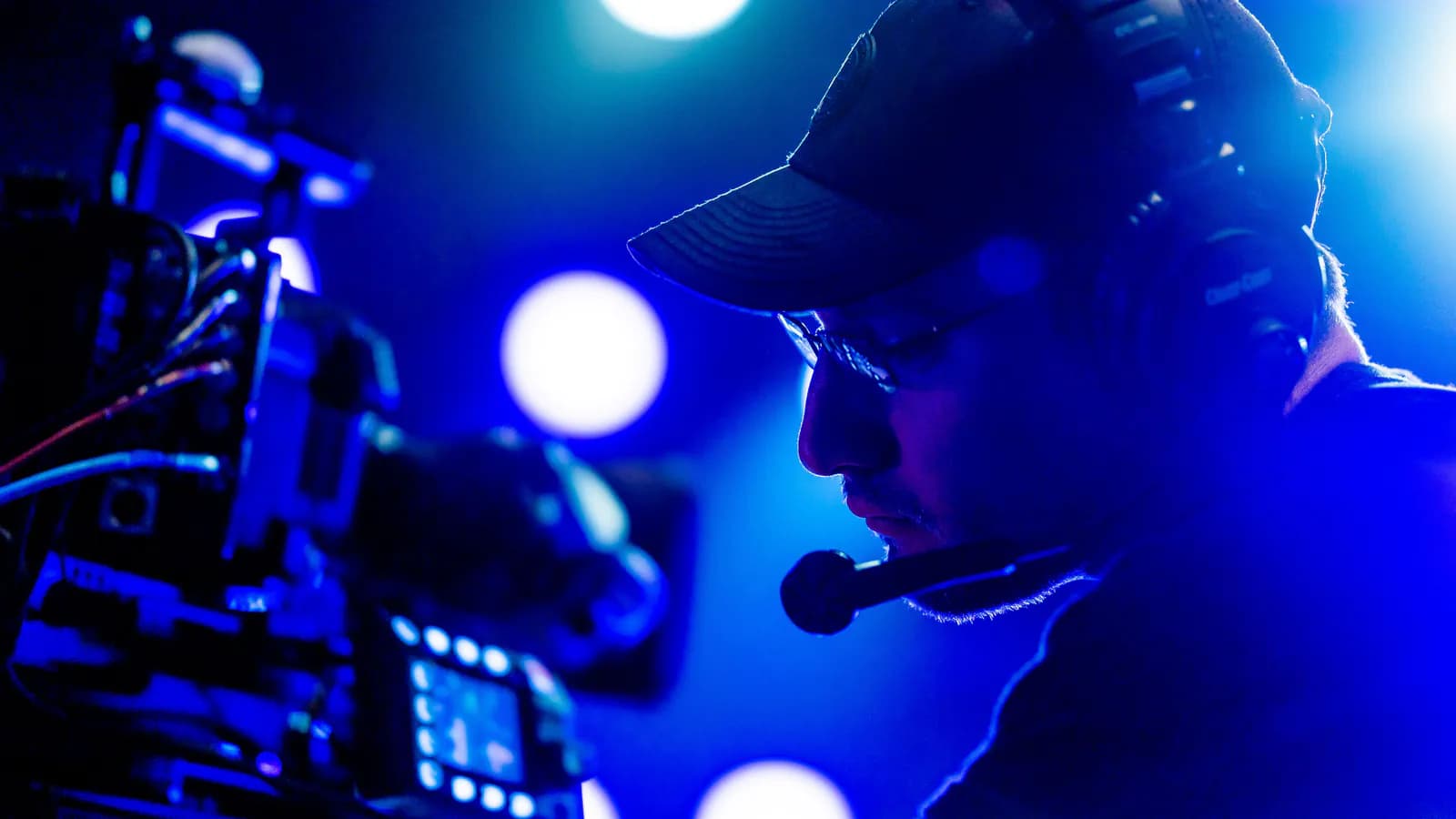
What you're actually booking for these three spots isn't one video — it's a process: a script, a planned shoot day, an edit, and a separate cut for each platform (Reels, TikTok and Shorts crop and frame differently, and forcing one into another chops the shot up). The raw footage stays yours, so don't price this as a one-off — the next section shows why that matters.
The budget logic: how many months will this footage work
Budget usually goes to the wrong place because the question asked is "how much should I spend," when the right question is "how many months will this footage stay active." A daily post lives for a few hours — spending a professional shoot's budget on it makes no sense, because tomorrow you'll need something completely new at the same level anyway. A homepage hero video, on the other hand, stays up for months, sometimes years; cutting corners there risks the first impression of every new visitor who lands after it goes live.
As listed on our own pricing page, a project-based professional shoot isn't one fixed number — it's a starting range that scales with the scope of work. Spread that figure over the months the video will actually stay live, and the daily cost is often no higher than the time spent producing several phone posts a day.
One shoot day, two outcomes
Most owners frame this as either a phone or a studio. Planned properly, a single shoot day can deliver both. If the script covers not just the main video but the extra footage around it, that one day produces a finished hero video and dozens of raw clips you can draw on for months. Because the raw footage is yours to keep, you can later cut it phone-style for daily content — one day becomes two separate content sources.
That only takes one question asked before the shoot: which shot goes straight into the finished video, and which is captured as raw material to cut later. A shoot day planned without that line in the brief usually ends with a single result — one video — when the same day could have supplied two or three months of daily material besides.
A quick test before you decide
Ask yourself three questions before booking anything:
- How long will this footage stay "live"? A few hours — phone; several months or more — professional.
- Is the viewer meeting you for the first time, or do they already follow you? First encounter (homepage, ad) — professional; existing follower (daily post) — phone.
- If it goes wrong, what do you lose — time or trust? If it's time, reshooting on a phone is cheap. If it's trust, getting it right the first time is cheaper than fixing it later.
A phone makes content cheap; a professional shoot makes it trustworthy — the mistake only happens when you swap the two.
If it's hard to tell which of your content needs which treatment, see how we run the process from script to finished format — the plan, the shoot day, the edit and the per-platform formats are all laid out in one place, and the raw footage is always yours to keep.